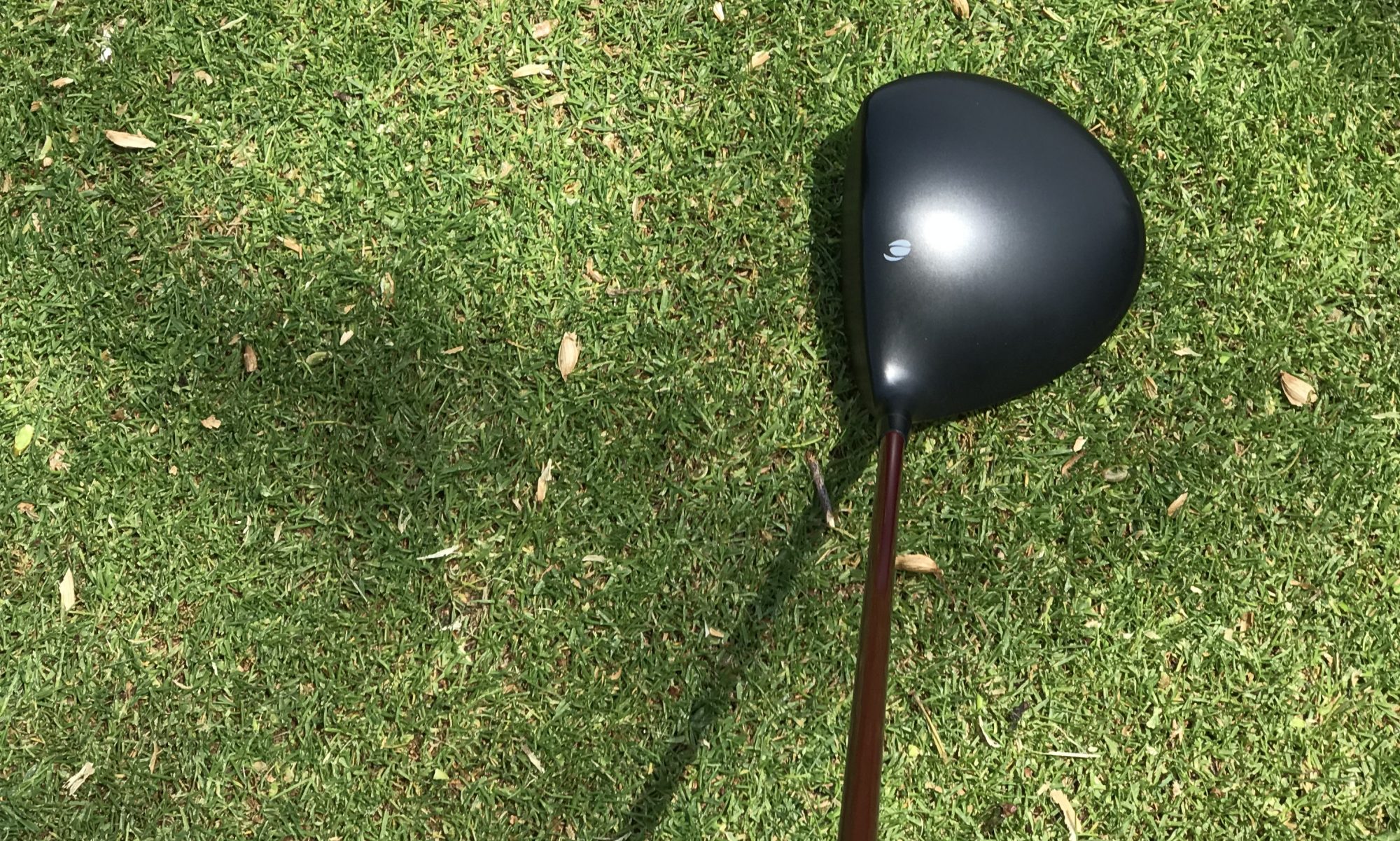
Trying to lift the ball or help the ball into the air is fault no. 10. This fault is usually associated with the beginner player, but I have seen this in players who have been playing for a while, especially in the short game. This is a natural feeling to have. The golf shot has to get up in the air, and what better way to do it than trying to hit the ball on the upswing to get the job done. Unfortunately, that leads to mostly ground balls and hitting behind the ball. There are many videos about hitting down on the ball and how to do it. There are some videos that say you should not hit down on the ball. This is more or less a matter of semantics. Either way, these videos go through many drills and techniques to hit down on the ball properly. You really do not need to worry about doing any of these techniques. It is the concept you have to believe in first. Every golf swing is actually hitting down on the ball. That is one of the reasons they call it a downswing. It really is a natural occurrence of hitting the ball with a slightly descending blow. No swing is perfect, but it is not a swing flaw or fault that is keeping you from hitting the ball first and then the turf. It is a lack of trust in the concept that is keeping you from doing it. So, without changing any part of your swing, let us see how we can get you to hit down on the ball.
The golf swing has a start, a top, a bottom, and an end. What we are interested in this time is the bottom of the swing. Take a 7 iron, put a ball down where you would normally position the ball. Now step back and take a practice swing just like you normally would if you were actually hitting the ball. You want to make sure that your club makes contact with the ground. You do not need to lay a ton of sod on your practice swing, but make sure that you hit the ground and take a little bit of grass with it. This is the bottom of the swing. See where this is in relationship to the ball that you just placed down. If the ball is not totally behind the missing grass, move it to that point. If the divot is more than an inch in front of the ball, then move the ball forward to that spot. Keep repeating the practice swings until the ball is consistently about 1 inch or less behind the divot. That is your new ball position for your irons and fairway woods. You may vary the position about 1/4 of an inch as the clubs get longer and shorter, but the ball should not be played any further back than dead center of your feet. Try to make a real swing as close to the practice swing with the ball in the new position. The new position may not be all that different from where you originally placed the ball, and that is fine. Part of the solution has been that you have bought into hitting the ball on a descending blow. Another way of getting to believe in the descending blow is to try and hit your driver off the tee with a descending blow. It is fine to play the ball in your normal driver position, but this time have the feeling that you are hitting the ball on the downswing. With the ball teed up, you may not hit the ground, but if you are thinking descending blow, it will help you make the transition to the fairway woods and irons. Once you feel comfortable with this, go ahead and get back into the feeling of hitting the driver right in the back of the ball or slightly on the upswing. When in the learning process, it does not hurt to hit every shot with a slightly descending blow. In a nutshell, find out where your swing bottoms out and place the ball position accordingly.
The short game is the same thing. All your shots for the short game contact with the ball must be made with a descending blow. This technique is crucial because it ensures that you strike the ball cleanly and consistently, allowing for better control and accuracy. Sometimes, that descending blow must be pretty steep, depending on the type of shot you are attempting and the way the ball is sitting in the grass. For instance, if the ball is nestled down in the rough, a steeper angle of attack may be necessary to get under the ball and lift it into the air effectively. Again, the principal is the same. Always take your practice swings and check where the club is brushing the grass during your practice. This simple act can provide valuable insights into your swing path. Position the ball just behind the spot where the club makes contact with the grass for optimal results. Once you do this, your short game shots should improve significantly, leading to lower scores and a more enjoyable game overall as you gain confidence in your ability to execute these shorter shots with precision.
Despite what you watch on YouTube, this problem is not a problem in technique; rather, it is fundamentally a problem of perception. Once you fully grasp the concept of hitting the ball with a slightly descending blow, your swing will naturally adjust to fulfill its intended purpose of striking the ball correctly. It’s essential to hit down and through the ball, thereby dispelling the idea of hitting up at the ball to achieve lift. This shift in mindset is critical, as it allows the clubhead to perform its role effectively, generating the necessary power and trajectory. An important aspect to remember is that the bottom of your swing should occur about one inch past the ball; this precise positioning is what enables optimal contact. As you incorporate this approach into your game, you will begin to notice a transformative improvement in your shots—higher, longer, and straighter. Consequently, embracing this technique will not only enhance your understanding of the swing but also significantly elevate your overall performance on the course, making every practice session more rewarding and enjoyable.
 The Goofy Game of Golf/Life Searching for the Answer